The Problem Conventional Treatment Misses
For decades, addiction medicine has focused primarily on managing withdrawal symptoms and replacing one substance with another — methadone for opioids, nicotine patches for smoking. These approaches work for many people, but they leave a fundamental problem untouched: the neurological changes that addiction imprints on the brain.
Ibogaine takes a different approach entirely. Rather than substituting or maintaining, it appears to work at the level of neural architecture itself — prompting the brain to rebuild connections disrupted by prolonged substance use. The evidence is still emerging, but what researchers have found so far is genuinely remarkable.
Ibogaine doesn't just interrupt withdrawal — it appears to reset the neurological machinery of addiction itself. What we're seeing in PET scans looks like the brain returning to a pre-addiction baseline.
— Dr. Deborah Mash, University of Miami, ibogaine researcherWhat Ibogaine Does in the Brain
Ibogaine is a complex molecule with an unusually broad pharmacological profile. It interacts with multiple receptor systems simultaneously — something unusual for a single compound. Key mechanisms include:
- Binding to sigma-2 and opioid receptors, reducing acute withdrawal symptoms
- Antagonizing NMDA receptors, disrupting the consolidation of addiction-related memories
- Modulating the serotonin transporter, contributing to mood stabilization
- Stimulating GDNF (glial cell line-derived neurotrophic factor) production — a key driver of neuroplasticity
That last point may be the most significant. GDNF promotes the growth and maintenance of dopaminergic neurons — exactly the neurons most damaged by chronic substance use. Animal studies show ibogaine-treated subjects have measurably higher GDNF levels, and this correlates with reduced drug-seeking behavior lasting weeks after a single administration.
Key Finding
A 2023 study in Nature Medicine found that a single ibogaine administration produced a 78% reduction in PTSD symptom severity and 87% reduction in depression severity in a cohort of Special Operations veterans — effects persisting at one-month follow-up.
Stanford's Landmark Study
In 2023, Stanford University published what may be the most significant ibogaine study to date. Researchers treated 30 Special Operations veterans with traumatic brain injury and PTSD. The results were striking:
- Average PTSD severity dropped by 88% at one-month follow-up
- Disability ratings decreased from "severe" to "mild" or better for most participants
- Cognitive function scores — memory, concentration, executive function — improved significantly
- No serious adverse events when appropriate medical protocols were followed
The lead researcher, Dr. Nolan Williams, described the results as "remarkable" and called for larger controlled trials. The study triggered a wave of renewed scientific interest that continues today.

The Safety Question
Ibogaine's efficacy has to be understood alongside its risks. The compound has real cardiac risks — specifically, it can prolong the QT interval, increasing the risk of potentially fatal arrhythmias. This is why medical screening and continuous monitoring aren't optional — they're essential.
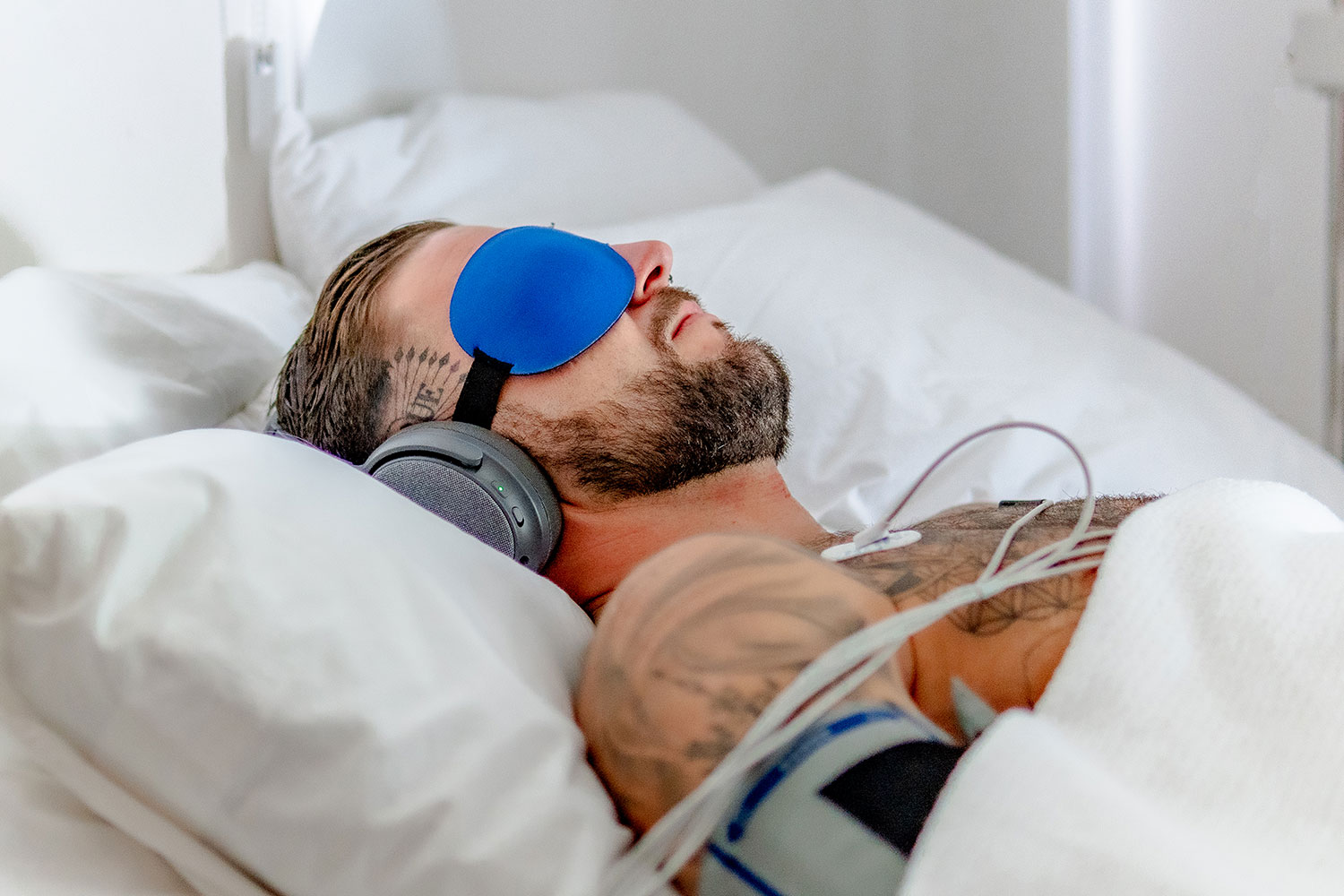
At Transcend, every patient undergoes comprehensive cardiac evaluation before treatment is approved. Patients with certain cardiac conditions are declined. During treatment, continuous EKG monitoring is maintained. A board-certified cardiologist is part of the medical team.
When these protocols are followed rigorously, the procedure can be performed safely. The incidents that have occurred with ibogaine overwhelmingly involve administration outside medical settings, without proper screening.
Where Research Is Heading
The FDA granted ibogaine Breakthrough Therapy Designation for opioid use disorder in 2022 — a designation reserved for treatments showing substantial improvement over existing options. Phase 2 trials are underway at multiple U.S. research centers. If results continue to be positive, ibogaine may be available in regulated U.S. clinical settings within the next five to seven years.
For now, treatment in regulated medical facilities in Mexico and other jurisdictions remains the primary option for patients who have exhausted conventional approaches. Transcend exists to provide that option with the medical rigor it demands.